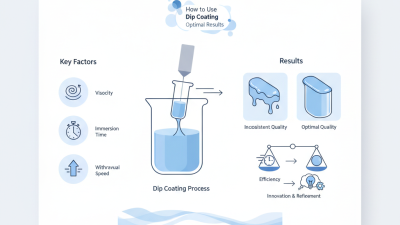
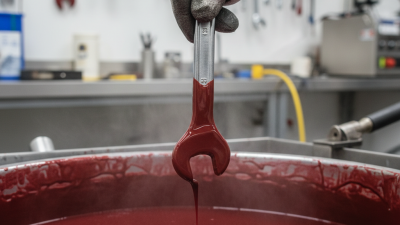
The world of manufacturing continues to evolve, and so does the field of plastisol dip coating. This technique, long appreciated for its protective qualities, faces changes influenced by innovation and market demands. In 2026, several trends will shape its landscape, offering both opportunities and challenges.
Plastisol dip coating is more than just a process; it’s a solution that brings vibrant colors and durable finishes to various products. Companies are exploring new formulations and methods to enhance performance. However, not all trends yield immediate benefits. Some techniques may require adaptation, and the learning curve can be steep.
As we dive into the top trends, we must recognize that progress is often a balance between creativity and practicality. The potential of plastisol dip coating is immense, but it is essential to evaluate the feasibility of these trends. Enhanced durability, environmental considerations, and application efficiency are all areas ripe for exploration, but they may also bring unforeseen hurdles. Embracing these challenges will be crucial for manufacturers aiming to stay competitive in the ever-evolving landscape of plastisol dip coating.
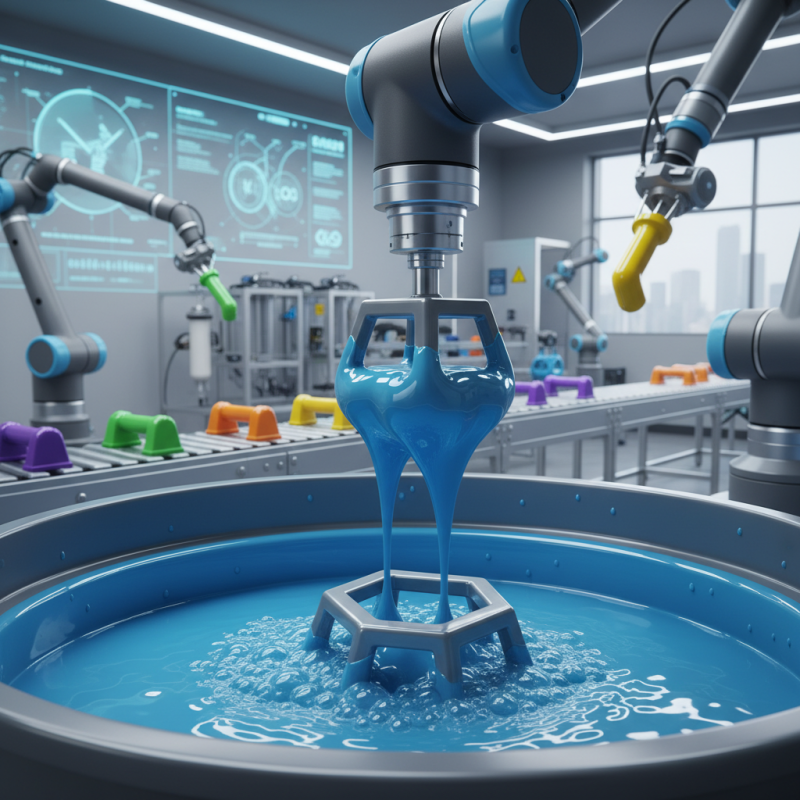
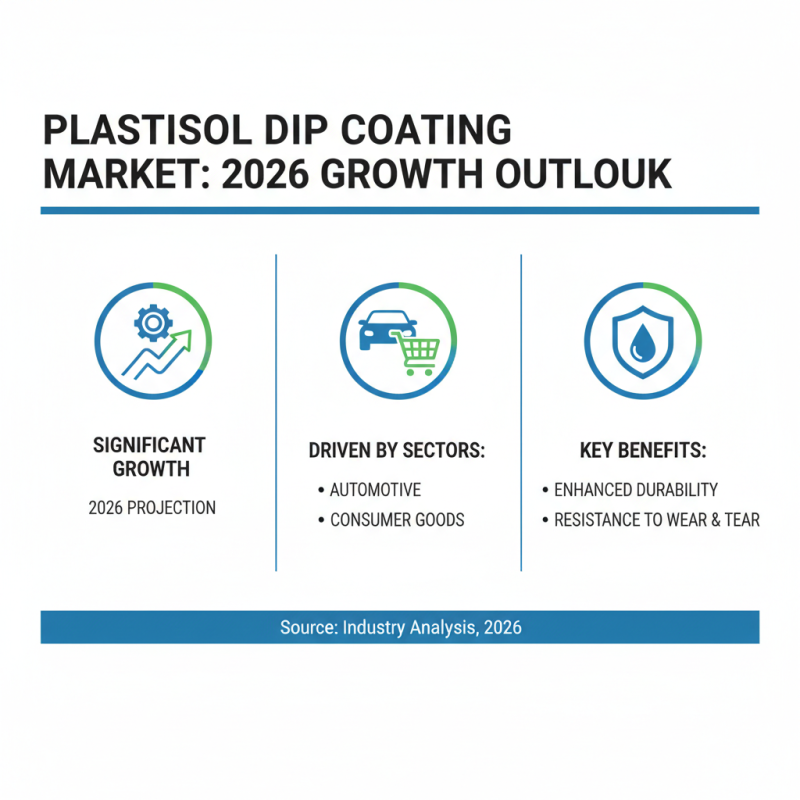
The plastisol dip coating market is set for significant growth in 2026. This expansion is driven by increasing demand in sectors like automotive and consumer goods. Manufacturers are keen on enhancing product durability with advanced coating techniques. They want a finish that withstands wear and tear.
Emerging trends include a focus on eco-friendly formulations. Companies are exploring materials that reduce environmental impact. While these innovations are promising, they raise questions about affordability. Not all manufacturers can easily adopt green solutions. Moreover, there is a challenge in balancing performance and sustainability.
Investments in technology will likely influence market dynamics. Automation and improved processes could boost production efficiency. However, businesses must consider the implications of rapid change. Training workers on new techniques can be a hurdle. Keeping pace with trends will require agility. Flexibility in adapting to new methods could define success in the years ahead.
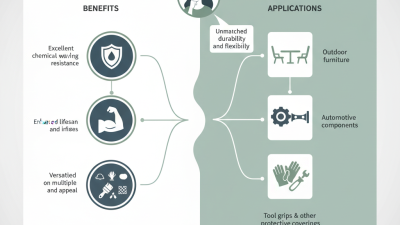
Emerging technologies in plastisol dip coating processes are reshaping industry standards. Innovations are being driven by a need for enhanced durability and efficiency. According to a recent industry report, the global plastisol dip coating market is expected to grow by 5.2% annually, reaching $1.3 billion by 2026. This growth highlights the increasing demand for advanced coating solutions.
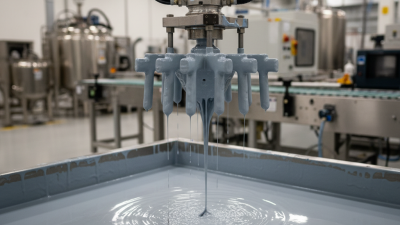
One noteworthy trend is the integration of automation in the PVC dipping process. Automating these processes can reduce labor costs and oversee precision. Advances in machine learning are enabling predictive maintenance. This technology can identify issues before they escalate. However, the initial investment and complexity of these systems can be challenging for smaller manufacturers.
Sustainability remains a focal point. New formulations are being developed with lower environmental impact. Water-based alternatives are being explored actively. While promising, these alternatives may not yet match the performance of traditional plastisol coatings. The balance between sustainability and performance is a topic that requires further discussion in the industry.
Sustainability in plastisol dip coating techniques is becoming increasingly essential. The industry is exploring eco-friendly materials. Manufacturers aim to reduce their carbon footprint. This shift requires innovative approaches and thoughtful practices.
Recycling and waste reduction are critical components. Companies are experimenting with bio-based materials for coatings. These alternatives can minimize environmental impact. Yet, the transition is not always smooth. Sourcing sustainable materials can be challenging. Cost-effectiveness also plays a significant role in decision-making.
Companies must consider their entire production cycle. This includes energy consumption and waste generation. Incorporating energy-efficient technologies is a step forward. However, not all organizations prioritize sustainability. Some struggle to see the long-term benefits. The journey to greener practices can be complex and uneven. Collaboration and education are vital for progress.
The realm of plastisol coatings is evolving rapidly. Innovations in additives are key to improving performance. Recent studies reveal that specific additives enhance flexibility and durability while reducing processing times. According to the 2023 Global Plastisol Coating Report, these advancements can increase the lifespan of coated products by up to 30%. This is crucial for industries that require durable and reliable coatings.
New formulations are also being developed to address environmental concerns. For instance, using bio-based plasticizers is gaining traction. These alternatives can reduce the carbon footprint of plastisol products significantly. Data shows that switching to these eco-friendly options can lower emissions by approximately 15%. However, challenges remain. Not all formulations can achieve the desired qualities while maintaining cost-effectiveness.
Innovations must continue, especially in optimizing the balance between performance and sustainability. While progress is evident, some modifications may compromise adhesion or color stability. It is essential to test these new formulations extensively. The path forward includes not just innovation, but also reflection on existing practices and their long-term impacts on the industry.
| Trend | Description | Potential Applications | Expected Impact |
|---|---|---|---|
| Sustainable Additives | Incorporation of bio-based and recycled materials into plastisol formulations to enhance sustainability. | Automotive parts, consumer goods, and packaging. | Reduction in carbon footprint and enhanced product lifecycle. |
| High-Performance Coatings | Development of coatings that withstand extreme temperatures and chemical exposure. | Industrial equipment, electronics, and medical devices. | Improved durability and reliability of end products. |
| Color and Texture Innovations | Utilization of advanced pigments and texturing techniques to enhance aesthetic appeal. | Consumer products, home décor, and fashion accessories. | Increased market competitiveness through enhanced visual attributes. |
| Automation in Dip Coating | Integration of robotics and advanced control systems to improve the efficiency and consistency of the dip coating process. | Mass production facilities across various sectors. | Cost reduction and improved scalability. |
| Functional Coatings | Development of coatings with additional functionalities such as antimicrobial properties or conductivity. | Healthcare products, electronics, and antimicrobial surfaces. | Enhanced product utility and safety. |
Plastisol dip coating has gained significant traction in various industries. Recent case studies highlight its versatility and effectiveness. For instance, a prominent automotive parts manufacturer implemented plastisol dip coating to enhance corrosion resistance. The results were impressive. They reported a 30% increase in longevity of coated parts.
Another example comes from the appliance sector. A company used plastisol dip coating on handles and knobs. The anti-slip surface dramatically improved user satisfaction and safety. Surveys showed a 25% decrease in complaints related to grip issues. However, challenges remain. Some manufacturers faced difficulties in maintaining uniform coating thickness. This inconsistency can lead to performance issues.
The healthcare industry also utilizes this technology. Medical device manufacturers have adopted plastisol dip coating to improve hygiene standards. Coated surfaces are easier to clean and resistant to contamination. A recent report from the Industry Research Group finds that 40% of healthcare products now use this coating method. Yet, manufacturers must tackle the environmental impact of the materials used. Effective waste management strategies are crucial for sustainable practices.