China Top 10 Plastic Coating Manufacturers for Global Buyers
Choosing a reliable plastic coating manufacturer can shape product durability, appearance, and long-term operating costs. The decision deserves more than a glossy catalogue.
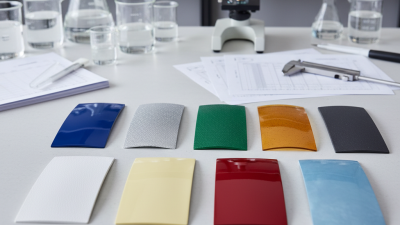
Global buyers often compare resin compatibility, adhesion, abrasion resistance, chemical exposure, curing methods, and production capacity. These details become visible on factory floors. A coating may look uniform under showroom lights, yet fail around sharp edges, threaded holes, or outdoor joints.
Dr. George Wypych, a recognized polymer-materials specialist, has stated, “The properties of polymers depend on their structure, additives, processing, and environment.” This principle remains highly relevant to plastic coating selection. A supplier should explain how its formulation performs on polyethylene, polypropylene, ABS, PVC, or engineered plastics. It should also provide test conditions, not only impressive performance claims.
This guide examines ten plastic coating manufacturers serving international buyers. Each company is considered through practical indicators, including technical support, quality systems, customization, application equipment, delivery reliability, and documented testing. Certifications matter, but they do not replace process control. Neither does a polished website.
Real purchasing decisions are often less perfect. Samples may pass laboratory tests but behave differently after cleaning, sunlight, humidity, or repeated handling. Buyers should request production samples and inspect them after realistic exposure. Small flaws can reveal major process weaknesses.
The manufacturers discussed here represent different strengths, markets, and coating technologies. Some may suit high-volume industrial production. Others may offer better flexibility for specialized components. No single supplier fits every application. That is the uncomfortable truth.
A careful comparison helps buyers reduce technical risk, ask sharper questions, and select a partner based on evidence rather than marketing language.
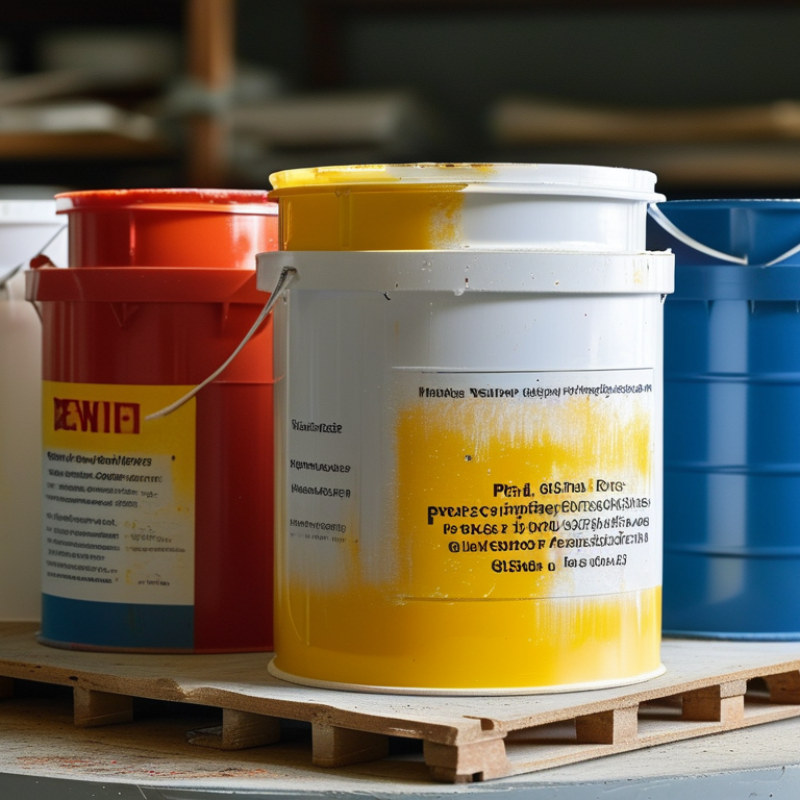
What Plastic Coating Manufacturers Produce and How They Serve Global Buyers
China’s top plastic coating manufacturers produce more than finished paint. They develop primers, protective layers, powder coatings, and liquid systems for automotive parts, appliances, pipes, electronics, and industrial equipment. Many factories also provide color matching, surface testing, technical documentation, and export packaging.
According to Grand View Research, the global plastic coatings market is projected to grow at over 7% annually through 2030. This growth increases demand for abrasion resistance, chemical protection, weather stability, and low-emission formulations. Reliable manufacturers usually operate controlled mixing lines and test adhesion, hardness, thickness, and salt-spray performance.
They also support global buyers with samples, batch records, safety data sheets, and multilingual compliance files. However, production capacity alone proves little. A coating may look excellent on a sample panel, yet fail after repeated heat cycles.
Tips:
Ask for a test report, not only a product brochure. Confirm substrate preparation, curing temperature, coating thickness, and shelf life before ordering. Request a pilot batch.
MarketsandMarkets reports continued expansion in powder coating applications, especially for metal and industrial components. This benefits plastic coating suppliers that can adjust formulations for different substrates. Experienced exporters should explain shipping conditions, moisture protection, minimum order quantities, and inspection procedures.
They should also disclose limitations honestly. Some coatings lose flexibility in cold environments. Others need stricter surface cleaning than expected. That detail matters. Global buyers should compare laboratory results with field trials before approving long-term supply.
Key Criteria for Evaluating Plastic Coating Suppliers in China
China Top 10 Plastic Coating Manufacturers for Global Buyers
Choosing a plastic coating supplier in China requires more than comparing prices. Review coating types, resin compatibility, surface preparation, curing temperature, and expected service life. Ask for technical data sheets and recent test reports. Reliable suppliers explain test methods clearly.
Production experience matters. Check whether the factory handles your plastic grade, part size, and coating thickness. Request samples made with your actual substrate. Inspect adhesion, color consistency, abrasion resistance, and chemical exposure results. A polished website proves little. Factory audits, process records, and responsive engineers provide stronger evidence. No supplier is perfect.
Tips: Compare at least three suppliers. Confirm minimum order quantities, lead times, packaging, and inspection procedures in writing. Ask who pays for rework when samples fail. Clarify export documents and applicable safety requirements before production. Video calls help, but an independent inspection may reveal more. Small details matter.
Cost should include preparation, coating, testing, tooling, transport, and possible rejection. The lowest quotation may become expensive after delays or inconsistent batches. Look for controlled mixing, calibrated equipment, trained operators, and traceable batch numbers. Suppliers should discuss risks honestly, including color variation or weak adhesion. This is where evaluation becomes less comfortable, but it is useful. A supplier that admits limitations may be more dependable than one promising everything.
China’s Top 10 Plastic Coating Manufacturers by Product and Capability
China Top 10 Plastic Coating Manufacturers for Global Buyers
China’s Top 10 Plastic Coating Manufacturers by Product and Capability
China’s leading plastic coating manufacturers differ more by capability than factory size. A practical top-ten review should examine coatings for ABS, PP, PC, nylon, and engineering plastics. Product groups include waterborne coatings, solvent-based systems, UV-curable finishes, soft-touch layers, and abrasion-resistant solutions. According to Fortune Business Insights’ 2024 Plastic Coatings Market report, the global market was valued at approximately USD 5.1 billion in 2023. Its forecast indicates steady growth through 2032, driven by automotive, electronics, packaging, and industrial applications.
Performance data separates experienced suppliers from basic processors. Strong manufacturers provide adhesion testing, color consistency checks, viscosity records, and batch traceability. Buyers should request results under ISO 2409, ASTM D3359, and ISO 4892-3 where relevant. A coating may look perfect under showroom lighting, yet fail after humidity exposure or repeated handling. That happens.
The top ten should also be assessed by production flexibility. Can the supplier adjust gloss from matte to high shine? Can it match a small color batch without unstable rework? Waterborne technology may reduce solvent exposure, while UV-curable systems can shorten production cycles. Mordor Intelligence reports that automotive and electronics remain important demand areas for advanced plastic coatings in Asia-Pacific. Still, market reports describe broad trends, not factory reliability. On-site audits, pilot trials, technical data sheets, safety documents, and independent testing remain necessary. A low quotation can hide weak pretreatment control, slow complaint handling, or inconsistent resin selection. That risk deserves attention.
How Global Buyers Can Select the Right Chinese Coating Partner
China Top 10 Plastic Coating Manufacturers for Global Buyers
Selecting a Chinese coating partner requires more than comparing prices. Grand View Research valued the global powder coatings market at about USD 12.8 billion in 2023. Its forecast also indicates steady growth through 2030. This demand increases supplier pressure. Buyers should request technical data sheets, safety documentation, coating thickness ranges, and batch traceability before approving samples.
Test performance on the actual substrate, not only on painted panels. Check adhesion, abrasion resistance, chemical exposure, humidity, and ultraviolet aging. ISO 12944 provides useful guidance for corrosion protection environments. For plastic components, verify surface preparation and curing temperatures. A supplier may show excellent laboratory results, yet fail on curved parts or sharp edges.
Audit production controls, inspection records, worker training, and corrective-action procedures. UNIDO’s 2024 International Yearbook indicates that China produces roughly one-third of global manufacturing value added. Manufacturing scale is significant, but consistency still varies between facilities. Ask for recent defect-rate data and realistic lead times. A low quotation can hide rework, packaging damage, or delayed approvals. No scorecard is perfect. Buyers should leave room for technical trials, independent testing, and uncomfortable questions.