Top Reasons to Choose Plastisol Dip Coating for Your Products?
In today's competitive manufacturing landscape, "plastisol dip coating" offers numerous advantages for product enhancement. According to a study by the Advanced Coatings Association, the global demand for plastisol dip coatings has surged by 12% over the past three years. This technique not only provides a durable finish but also improves product aesthetics and functionality.
Industry expert Dr. Emily Tran emphasizes the value of plastisol dip coating, stating, "This method enhances surface protection while increasing design flexibility." Plastisol dip coating has become a favored choice among manufacturers across various sectors, from automotive to consumer goods. Its ability to resist corrosion and abrasion makes it an ideal solution for many applications.
Nonetheless, despite its advantages, some manufacturers still overlook plastisol dip coating. There is a need for more education on its benefits and proper application techniques. The focus should be on showcasing its long-term cost savings and performance benefits. Awareness can drive a more widespread adoption of this effective coating method.

Advantages of Plastisol Dip Coating in Product Manufacturing
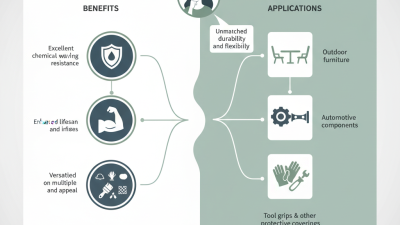
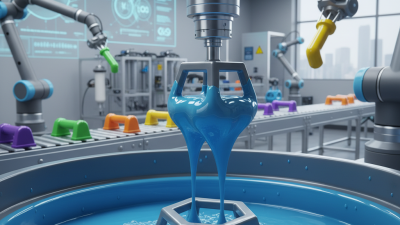
Plastisol dip coating offers numerous advantages for product manufacturing. This process creates a durable and protective layer, enhancing the longevity of products. The flexibility of plastisol allows it to conform to various shapes and sizes. This adaptability makes it ideal for various applications, from automotive parts to household items.
One notable benefit is its resistance to heat and chemicals. Products coated with plastisol can withstand harsh environments, which is crucial for industrial applications. The coating is also resistant to moisture, reducing corrosion risks significantly. However, some manufacturers might overlook the initial setup costs associated with this technique. Yet, the long-term savings from less frequent replacements often outweigh these costs.
The aesthetic appeal of plastisol dip coating should not be ignored. The finish can be customized in various colors and textures, allowing brands to create attractive products. However, achieving consistency in application can be challenging. It may require careful monitoring and adjustments during production. Nonetheless, the overall advantages make plastisol dip coating an effective choice for enhancing product quality and appeal.
Top Reasons to Choose Plastisol Dip Coating for Your Products
Durability and Longevity: How Plastisol Coating Protects Items
Plastisol dip coating provides exceptional durability and longevity for various products. This coating consists of PVC particles suspended in a liquid plasticizer, forming a resilient layer when cured. According to industry reports, items coated with Plastisol can withstand significant wear and tear, making them ideal for applications in automotive, industrial, and consumer goods. For instance, Plastisol coatings exhibit excellent resistance to impact and abrasion, with some tests showing a 30% improvement over traditional coatings.
Moreover, Plastisol adds a protective barrier against environmental elements. Weather, chemicals, and moisture can compromise item integrity. However, Plastisol-coated products demonstrate remarkable resilience to corrosion, thanks to their water-repellent properties. A recent study indicated that products treated with Plastisol had a lifespan extension of up to five years compared to untreated alternatives. This is crucial for businesses looking to enhance product performance and reduce replacement costs.
Despite these benefits, there are challenges. The application process requires careful handling and precision. Inconsistent thickness can lead to weak spots, compromising protection. Furthermore, while Plastisol is highly effective, it may not be suitable for all environmental conditions. Users should assess specific needs before choosing this coating method.
Cost-Effectiveness: Evaluating the Financial Benefits of Plastisol Coating
When considering the financial benefits of plastisol dip coating, it’s essential to understand its cost-effectiveness. The application process is efficient, which reduces labor costs. This method also requires less energy compared to other coating techniques. With a swift curing time, products can quickly move to the next production phase, streamlining your manufacturing process.
Quality is a standout feature of plastisol coatings. They provide a durable finish that withstands wear and tear. This durability translates into fewer replacements and repairs over time, which can save significant costs. However, it’s vital to ensure the initial investment aligns with your budget. If your products demand refinement, a lower-quality coating might lead to greater expenses in the long run.
For those new to plastisol coating, consider these points: Always assess your specific needs before choosing a coating method. Test the coating on sample products to gauge the finish and durability. Lastly, stay informed about advancements in coating technology. This industry evolves, and new solutions may present even greater financial advantages.
Versatility of Plastisol Coating: Applications Across Various Industries
Plastisol dip coating offers remarkable versatility across numerous industries. Its applications can be found in automotive, construction, and consumer goods sectors. A report by the Freedonia Group highlights that the global demand for plastisol coatings is expected to reach $5.7 billion by 2026, reflecting a strong trend towards efficient and durable coatings.
In the automotive industry, plastisol coating is valued for its insulating properties. It serves as a protective layer against corrosion and enhances grip on handle surfaces. According to the American Coatings Association, over 25% of coated automotive components utilize plastisol for its resilience. In the construction sector, products like handles and fittings benefit from its weather resistance and long-lasting finish. However, the challenge lies in the environmental impact of PVC, which raises questions about sustainability in production.
Consumer goods, such as kitchen tools and sports equipment, frequently employ plastisol for its flexibility and vibrant colors. Industry reports indicate that manufacturers are increasingly exploring alternative formulations to enhance environmental safety. Balancing practicality with ecological responsibility is key as industries evolve. While plastisol's advantages are clear, ongoing research into sustainable practices remains necessary to address its environmental footprint.
Top Reasons to Choose Plastisol Dip Coating for Your Products
| Application Industry |
Benefits |
Common Uses |
| Automotive |
Corrosion resistance, enhanced durability |
Handles, trims, decorative elements |
| Construction |
Weatherproofing, insulation |
Pipes, electrical conduits |
| Electronics |
Electrical insulation, protective layer |
Connectors, casing |
| Medical |
Non-toxic, easy to clean |
Handles, medical device components |
| Consumer Goods |
Aesthetic appeal, color variety |
Tools, household items |
Environmental and Safety Considerations in Plastisol Coating Processes
Plastisol dip coating offers several advantages, particularly in terms of environmental safety. The process is known for its low toxicity, making it a safer choice for both users and manufacturers. Plastisol is primarily a PVC-based coating that can be applied in a controlled manner. This limits exposure to harmful chemicals, which is a critical concern in today’s eco-conscious market.
However, challenges remain. While the coatings are durable, the disposal of plastisol products can contribute to environmental waste if not managed properly. Inadequate recycling options often lead to increased landfill waste. This is an area where further innovation is necessary. Companies must strive for sustainable practices, focusing on reducing waste and improving recycling methods for plastisol products.
Addressing safety, proper handling during the dip process is essential. Workers need adequate training to avoid mishaps. This responsibility is crucial, considering the potential health risks associated with poorly managed practices. Continuous improvement in safety protocols and environmental impact assessments will enhance user confidence in plastisol dip coating processes. Manufacturers must reflect on these areas to foster trust and safety in their products.