What is PVC Coating and How is it Used in Industries?
PVC coating is an essential innovation widely used across various industries. This technique enhances durability and resistance of materials, making them suitable for extreme conditions. According to a report by MarketsandMarkets, the global PVC coatings market was valued at over $3 billion in 2022 and is expected to grow steadily.
Industry expert Dr. Emily Sanders emphasizes the importance of PVC coating, stating, "PVC coatings provide unmatched protection and versatility in applications ranging from construction to automotive." This highlights its critical role in enhancing product lifespan and performance. The versatility of PVC coating allows it to be applied to plastics, metals, and fabrics, broadening its industrial applications.
Despite its advantages, the industry faces challenges. Concerns about the environmental impact of PVC production and disposal are prevalent. Companies are encouraged to adopt sustainable practices. As technology evolves, addressing these issues will be crucial for the growth and acceptance of PVC coatings. The balance between innovation and responsibility is key to shaping the future of this industry.
What is PVC Coating?
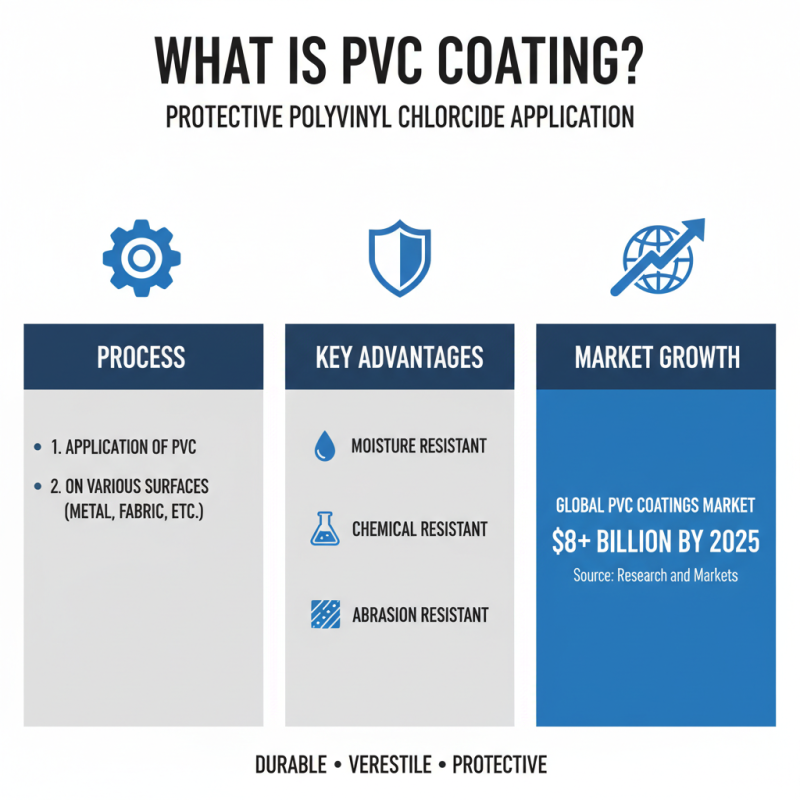
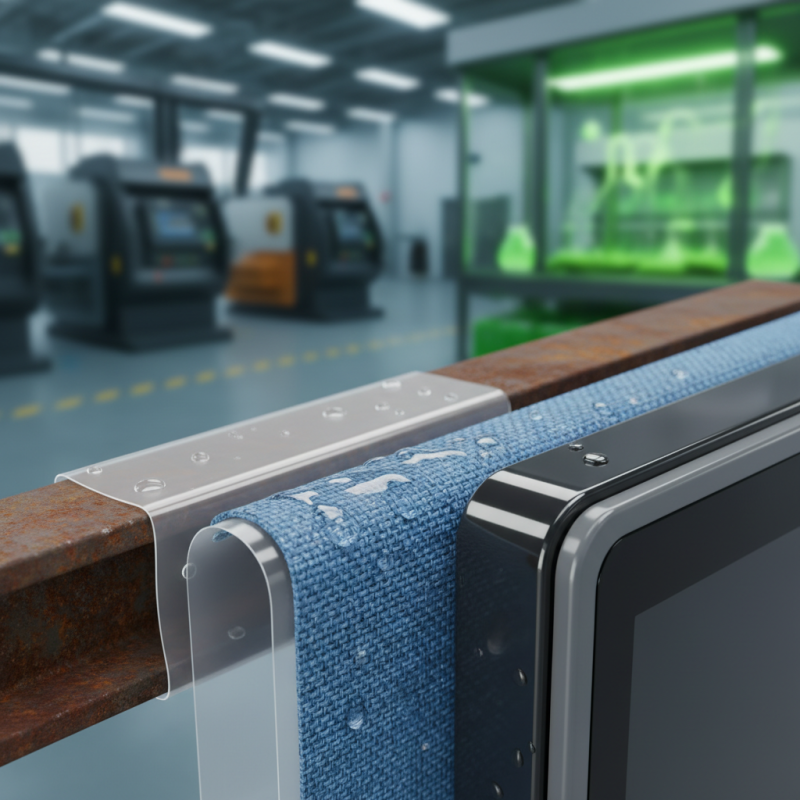
PVC coating refers to the application of polyvinyl chloride on various surfaces. It is a widely used technique across several industries due to its protective properties. The main advantage of PVC coating is its resistance to moisture, chemicals, and abrasion. This makes it suitable for environments where exposure to harsh conditions is common. According to a report by Research and Markets, the global PVC coatings market is projected to reach over $8 billion by 2025, reflecting their growing adoption.
Industries such as construction, automotive, and textiles have increasingly relied on PVC coatings. In construction, for example, PVC-coated materials are used for better weather resistance. They also enhance aesthetic appeal. In the automotive industry, PVC is often applied to control surface corrosion. Furthermore, in textiles, PVC coatings improve durability and water resistance, significantly extending the lifespan of products. However, it’s important to address concerns related to environmental sustainability. The production and disposal of PVC can have negative impacts.
While the benefits of PVC coating are evident, some applications may face challenges. Adhesion issues can occur if surfaces are not properly prepared. In some cases, the environmental profile of PVC raises questions among consumers and manufacturers. The reliance on PVC may lead to increased scrutiny regarding its long-term effects. It’s crucial for industries to find a balance between performance and environmental responsibility when adopting these coatings.
Chemical Composition and Properties of PVC
PVC, or polyvinyl chloride, is a widely used thermoplastic polymer in various industries. It has a unique chemical composition comprising vinyl chloride monomers. When polymerized, these monomers form long chains that give PVC its strength and versatility. This plastic can be rigid or flexible, depending on how it is formulated.
The mechanical properties of PVC make it an attractive choice for applications ranging from construction to medical devices. For instance, in the construction sector, PVC pipes account for approximately 70% of the market share for plastic pipe systems. The rigidity and durability of PVC make it ideal for water supply and drainage systems. Furthermore, the inherent flame-retardant properties of PVC are crucial in the electrical and automotive industries, where safety is paramount.
Despite its many advantages, PVC has environmental implications. The production of PVC can release harmful chemicals, raising concerns among environmentalists. It is essential for industries to consider sustainable practices when using PVC. Innovations in recycling methods and the development of bio-based alternatives are currently being explored. Balancing utility and sustainability remains a challenge, but progress is being made in this area.
Common Applications of PVC Coating in Various Industries
PVC coating is widely utilized across various industries due to its durability and versatility. In the construction industry, PVC-coated materials are often used for roofing membranes. These membranes offer excellent waterproofing and UV resistance, making them ideal for protecting buildings. A report from the Global Roofing Market indicates that PVC roofing is expected to grow at a CAGR of 4.7% from 2021 to 2026. This growth underscores the increasing preference for PVC in construction due to its longevity and cost-effectiveness.
In the automotive sector, PVC coating is essential for both protection and aesthetic appeal. It enhances the lifespan of parts by resisting chemicals and abrasions. According to a recent study published in the Automotive Plastics Journal, over 60% of automotive manufacturers now use PVC coatings for interior and exterior components. This trend reflects a shift towards more sustainable practices, although issues remain regarding the recyclability of PVC materials, which still necessitate industry reevaluation.
The medical industry also benefits significantly from PVC coating. It is frequently used in medical devices and equipment due to its biocompatibility and ease of sterilization. An analysis from the Medical Device Coating Report highlights that around 40% of new medical devices incorporate PVC coatings, showcasing their effectiveness. However, concerns arise about the long-term safety and environmental impact of PVC materials, prompting discussions within the medical community about potential alternatives.
Common Applications of PVC Coating in Various Industries
This bar chart illustrates the distribution of PVC coating applications across five major industries. Automotive, with 30%, has the highest usage, followed by construction at 25%. Textiles, electronics, and furniture follow with lower percentages, showcasing the diverse utility of PVC coatings in protecting and enhancing material performance.
Benefits of Using PVC Coated Products
PVC coating is widely used across various industries, thanks to its impressive range of benefits. Firstly, it enhances the durability of products. The coating makes items resistant to corrosion, chemicals, and UV rays. This characteristic is essential in sectors like construction and automotive. For example, PVC-coated wires and cables can endure harsh weather conditions while maintaining their integrity.
Another significant advantage of PVC coated products is their ease of cleaning. Surfaces with PVC coatings require less maintenance. They resist dirt and stains, allowing for quick and convenient upkeep. This can save both time and money in operational costs.
Tips: When selecting PVC-coated products, consider your specific needs. Think about the environment in which the product will be used. Some products may be more effective in extreme conditions than others. Regular inspections help in assessing long-term performance. Remember, while PVC provides many benefits, improper installation may lead to issues. Thus, choosing reliable manufacturers is crucial.
Challenges and Limitations of PVC Coating in Industrial Use
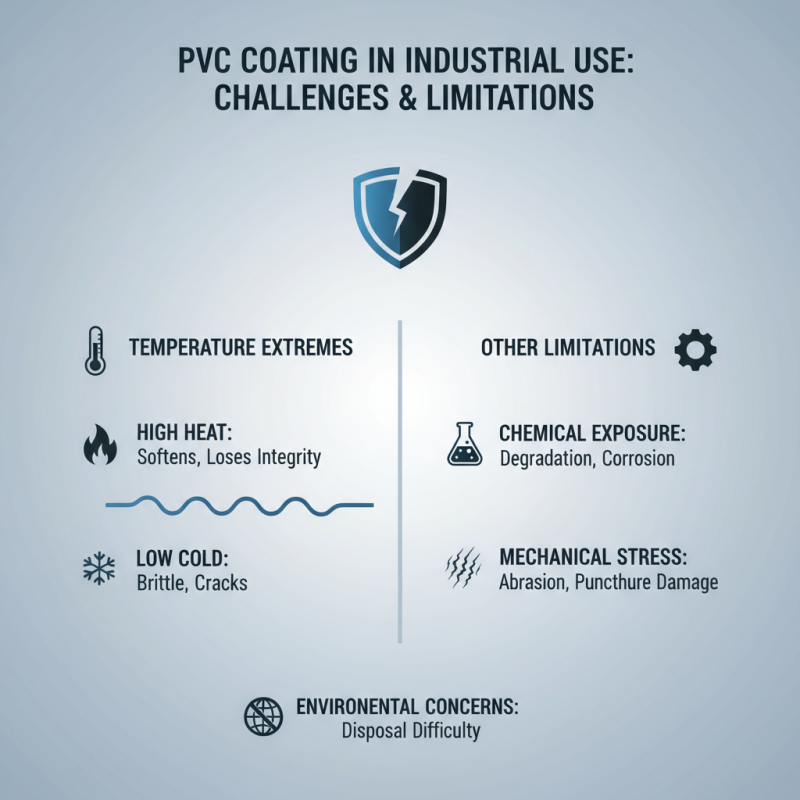
PVC coating is widely used across various industries due to its versatility and durability. However, it faces specific challenges and limitations that impact its effectiveness. One significant issue is its susceptibility to temperature extremes. In high heat, PVC can become soft and lose structural integrity. Conversely, in cold conditions, it may become brittle and crack.
Another challenge is the environmental impact of PVC. Production and disposal of PVC can release harmful chemicals. This raises concerns about sustainability practices in industries that utilize PVC coating. Some companies struggle to find alternatives that match PVC’s performance without sacrificing environmental responsibility.
**Tip:** When selecting materials, consider the temperature range of your application. Research alternatives to PVC that can withstand extreme conditions without degrading over time.
Additionally, PVC coating can require specialized application techniques. Incorrect application may lead to poor adhesion or uneven surfaces. Regular maintenance is vital to ensure the coating performs as expected. With careful planning, industries can mitigate some issues associated with PVC coatings.
**Tip:** Conduct quality checks post-application. This can help identify issues early, allowing for timely corrective actions to be taken.