The Future of Surfaces Discovering the Benefits of Innovative Coatings
The growing demand for advanced materials in various industries necessitates a focus on innovative coatings that enhance surface performance. According to a recent market study by Research and Markets, the global protective coatings market is projected to reach $250 billion by 2025, driven by the increasing need for durable and sustainable solutions. Innovative coatings offer benefits such as improved corrosion resistance, enhanced durability, and superior aesthetic qualities.
 Furthermore, the adoption of environmentally friendly coatings is on the rise, with a report from Fortune Business Insights forecasting a compound annual growth rate (CAGR) of 5.6% for eco-friendly coatings between 2021 and 2028. As industries strive to meet stringent regulations and customer expectations, the future of surfaces lies in the development and implementation of these innovative coatings, paving the way for a more resilient and sustainable world.
Emerging Technologies in Innovative Surface Coatings
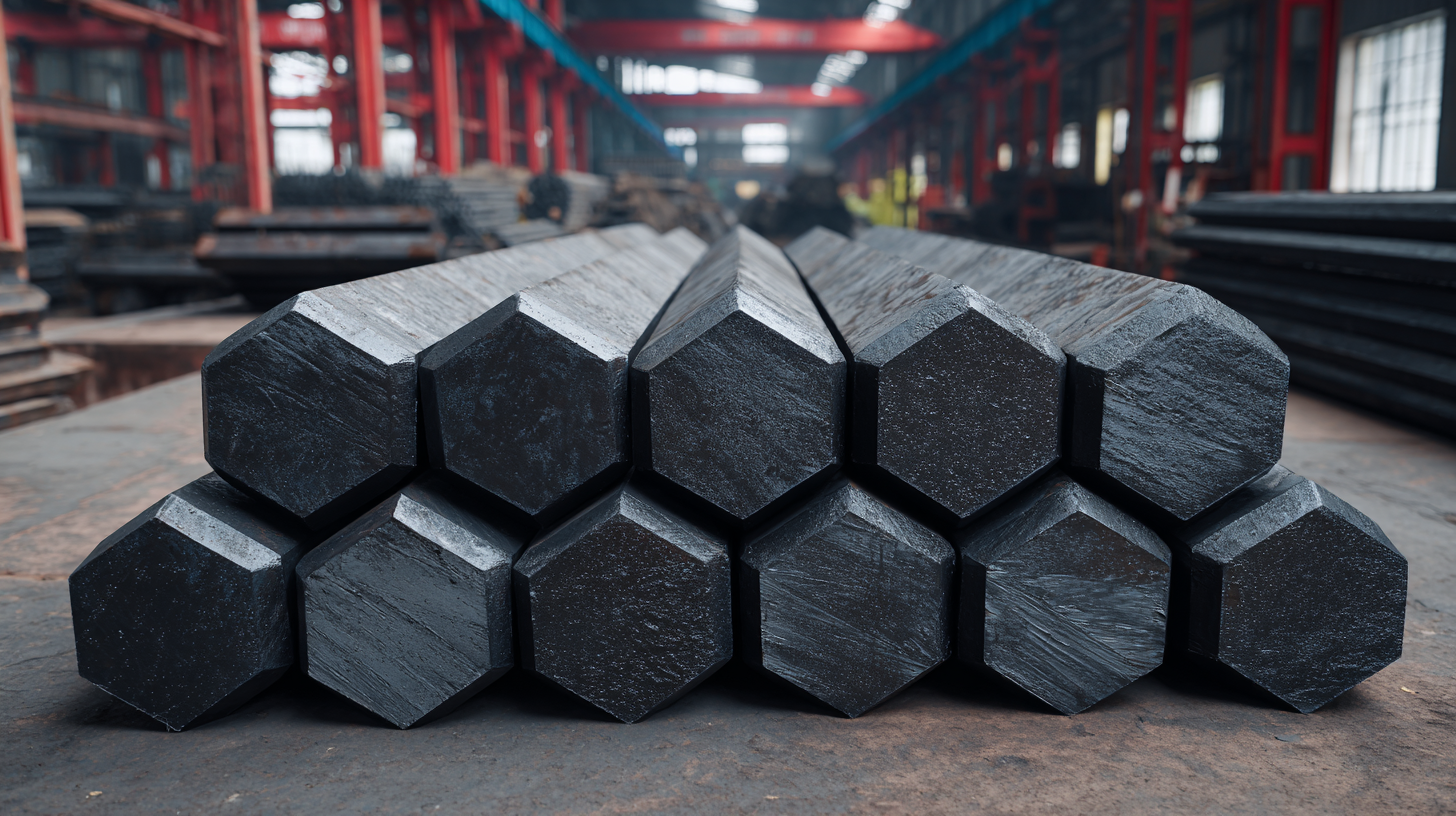 Emerging technologies in innovative surface coatings are transforming industries by enhancing functionality and durability. Advanced materials, such as nanocoatings, are becoming increasingly prominent due to their ability to provide superior protection against corrosion, abrasion, and microbial growth. These coatings can be applied to various surfaces, including metals, plastics, and ceramics, offering versatility in applications ranging from automotive to aerospace. The incorporation of smart coatings, which can change properties in response to environmental stimuli, is revolutionizing how we think about surface utility.
The development of environmentally friendly coatings is another significant advancement in this field. With a growing emphasis on sustainability, researchers are focusing on biodegradable and low-VOC (volatile organic compounds) materials that minimize environmental impact. Such innovations not only fulfill regulatory requirements but also cater to the rising consumer demand for greener products. As these technologies evolve, the potential for functional coatings to improve the efficiency and lifespan of products will play a crucial role in shaping the future of manufacturing and materials design.
Key Benefits of Smart Coatings for Various Industries
Innovative coatings, particularly smart coatings, are transforming various industries by providing enhanced functionality and performance. According to a report by MarketsandMarkets, the global smart coatings market is projected to grow from USD 4.86 billion in 2020 to USD 12.58 billion by 2025, reflecting a compound annual growth rate (CAGR) of 21.5%. This growth is attributed to the increasing demand for more efficient materials that can respond to environmental changes, which is particularly vital in sectors like construction, automotive, and healthcare.
In the construction industry, for instance, smart coatings can significantly enhance energy efficiency. A study by the American Council for an Energy-Efficient Economy highlighted that reflective coatings can reduce urban heat island effects by up to 40%, thereby cutting energy costs related to cooling. Similarly, in the automotive sector, smart coatings that provide self-healing properties can extend the lifespan of vehicles and reduce maintenance costs. According to an industry forecast, the use of these advanced coatings can decrease repair-related expenses by as much as 30% over a vehicle’s lifetime. The versatility and functionality offered by smart coatings are redefining operational paradigms across multiple industries, indicating a significant shift toward more sustainable and efficient practices.
Sustainability and Environmental Impact of New Coating Solutions
Innovative coating solutions are at the forefront of addressing sustainability and environmental impact, especially in sectors like offshore wind farms where chemical emissions pose significant challenges. Recent studies highlight the potential of using napyradiomycin-based coatings, derived from marine meroterpenoids, which offer an eco-friendly alternative for marine antibiofouling. These coatings not only reduce the reliance on harmful chemicals but also promote the health of marine ecosystems, contributing to a more sustainable approach in the maintenance of offshore structures.
Similarly, the advent of polyurea as a synthetic polymer in the coatings industry exemplifies sustainable innovation. Known for its exceptional durability and versatility, polyurea coatings align with the growing demand for low-emission solutions. Moreover, developments in biodegradable coatings for fertilizers utilizing cellulose and lignin reflect a broader shift towards eco-conscious practices in agriculture, enhancing fertilizer efficiency while minimizing environmental footprints. The ongoing advancements driven by initiatives like the European Green Deal are essential in fostering a coating industry that prioritizes sustainability, thereby paving the way for a greener future.
The Future of Surfaces: Benefits of Innovative Coatings
Applications of Innovative Coatings in Everyday Products
Innovative coatings are transforming everyday products, enhancing durability, functionality, and aesthetics. From non-stick surfaces on cookware to self-cleaning finishes on building facades, these coatings contribute significantly to product longevity and ease of maintenance. According to a report by Smithers Pira, the global market for advanced coatings is expected to reach $170 billion by 2025, driven by a growing demand for environmentally friendly and multifunctional materials. This trend not only improves performance but also aligns with increasing consumer awareness of sustainability.
When considering innovative coatings for personal or commercial use, it's crucial to evaluate their specific applications. For example, hydrophobic coatings can make textiles resistant to water and stains, making them ideal for outdoor gear and upholstery. Similarly, antimicrobial coatings are gaining traction in healthcare settings to reduce the risk of infections. **Tip:** Always check the environmental certification of coatings to ensure they meet sustainability standards while providing the desired benefits.
In everyday consumer products, smart coatings integrate technology to provide added features. For instance, color-changing coatings can be employed in automotive finishes, allowing vehicles to shift hues based on temperature or light conditions. This not only enhances aesthetic appeal but also serves practical purposes, such as improving visibility or heat regulation. **Tip:** Look for innovative coatings that offer multi-functional properties, as they can deliver better value and performance across various applications.
Future Trends: What to Expect in Surface Coating Innovations
In the ever-evolving world of technology, the surface coating industry is poised for transformative innovations that promise enhanced performance and functionality. Future trends indicate a shift towards coatings that not only improve aesthetic appeal but also incorporate smart properties such as self-healing capabilities and embedded sensors. These advancements will cater to diverse applications, from automotive to consumer electronics, allowing products to withstand environmental challenges while maintaining their visual integrity.
Moreover, sustainability has become a driving factor in the development of new coatings. Researchers are focusing on the creation of eco-friendly materials that minimize environmental impact without compromising quality. As industries seek to meet stringent regulatory standards, the future of surface coatings will likely feature water-based solutions, bio-based resins, and formulations that reduce volatile organic compounds (VOCs). This commitment to sustainability, combined with technological advancements, will redefine how we approach surface protection and enhancement, paving the way for revolutionary products that blend performance with environmental responsibility.