What Is Epoxy Coating and What Is It Used For?
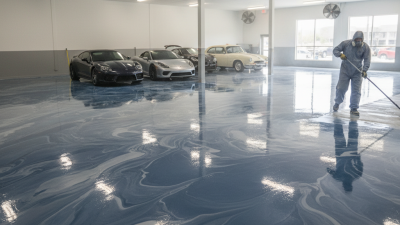
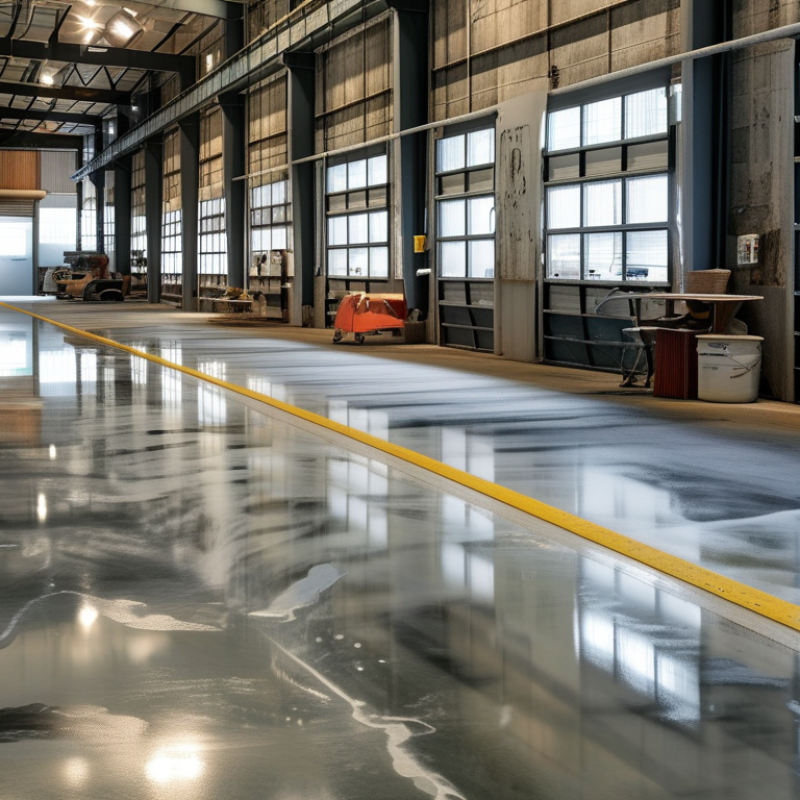
Epoxy coating is more than a glossy layer spread across concrete. It is a resin-based protective system that bonds with a prepared surface and forms a durable, chemically resistant finish. You may see it in warehouses, garages, hospitals, workshops, and commercial kitchens. The smooth surface helps control dust, simplifies cleaning, and protects concrete from oils, moisture, abrasion, and heavy foot traffic.
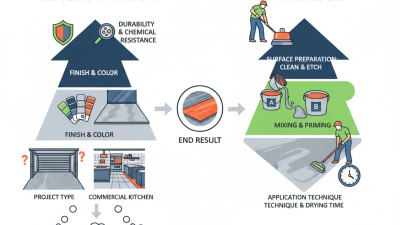
Patrick McDonald, an epoxy flooring specialist, emphasizes, “Preparation is the key to a successful epoxy floor.” That principle explains why professional installers inspect concrete moisture, repair cracks, remove contaminants, and create a suitable surface profile before application. The coating itself matters. Surface preparation matters more.
This guide explains what epoxy coating is, how it cures, and where it performs best. It also examines common systems, including solid-color floors, decorative flake finishes, and anti-slip surfaces. Each option has a different purpose. Some prioritize chemical resistance. Others improve visibility or reduce slipping around wet work areas.
A clean shine is not enough.
A reliable epoxy coating requires correct mixing, suitable temperature, controlled humidity, and careful curing time. Small mistakes can cause bubbling, peeling, or uneven gloss. Those failures are disappointing, but they are also useful warnings. Epoxy is not a universal solution for every floor. Some damp slabs, flexible substrates, or badly contaminated surfaces need additional treatment first. Understanding these limits helps property owners choose a safer, longer-lasting coating system.
Epoxy Coating Defined: Two-Part Thermoset Chemistry and 100% Solids Systems
What Is Epoxy Coating and What Is It Used For?
Epoxy coating is a two-part thermoset material made from resin and a curing agent. When these components are mixed, they react and form a rigid, crosslinked film. Unlike paint that simply dries, epoxy chemically cures. The result bonds tightly to prepared concrete, steel, and other stable surfaces. It is used on warehouse floors, workshops, tanks, machinery bases, and industrial walls.
The 100% solids system contains no evaporating solvent by formulation. Nearly all applied material remains on the surface after curing. This can produce a thicker film with low odor and minimal shrinkage. Still, “100% solids” does not guarantee perfect performance. Mixing ratio, temperature, humidity, and surface moisture remain critical. A damp concrete slab can cause blistering, even beneath a carefully applied coating.
Preparation decides much of the outcome. Dust, grease, laitance, and weak concrete must be removed. Mechanical grinding often creates a better profile than simple washing. Apply the mixed material within its working time. Do not keep adding thinner to extend it. That shortcut can reduce film strength and chemical resistance. A small test area is useful, though it cannot reveal every long-term problem. Epoxy is durable, but it can become brittle under movement, sunlight, or poor substrate conditions. That limitation deserves more attention.
How Epoxy Cures: Resin–Hardener Reactions and ASTM D638 Strength Testing
Epoxy coating begins as a resin and a separate hardener. The resin provides the polymer structure. The hardener, often an amine-based compound, opens reactive groups and links molecules together. This chemical reaction changes a liquid mixture into a solid network. Heat is released during curing, especially in thick layers. A small cup can become surprisingly warm.
Correct proportion matters. Too little hardener may leave a soft or tacky surface. Too much can create brittleness, discoloration, or incomplete bonding. Temperature also changes the process. A cold workshop slows the reaction, while a warm floor can shorten working time. I have seen careful applications fail because the material was mixed for only one minute. The surface looked acceptable. It was not fully cured underneath.
ASTM D638
ASTM D638 helps evaluate tensile behavior in a controlled way. Technicians usually cure epoxy into a dumbbell-shaped specimen, then pull it until it breaks. The test can measure tensile strength, elongation, and elastic modulus. It does not directly predict every coating result. Adhesion, abrasion, moisture, and surface preparation need separate evaluation. Even the testing details matter, including specimen thickness, conditioning, and pulling speed. A flawed specimen can produce misleading numbers. That part deserves more attention. For practical coating work, I would record batch ratio, room temperature, cure time, and visible defects beside every test result.
Performance Data: 0.25–3 mm Film Thickness and ASTM D4541 Adhesion
Epoxy coating is a two-component protective layer used on concrete, steel, and industrial floors. After mixing, it cures into a dense film with strong chemical and abrasion resistance. Its practical value depends heavily on film thickness. A 0.25 mm coating may protect a prepared surface with light service demands. A 3 mm system can provide greater barrier performance and surface build.
Thickness must be measured, not guessed from appearance. A smooth, glossy floor can still be too thin at edges or around repairs. Dry-film gauges, wet-film combs, and cross-section checks can reveal these differences. Application temperature, mixing accuracy, and recoat timing also influence the final result. In field work, missed pinholes often matter more than a small color variation.
ASTM D4541 evaluates pull-off adhesion by attaching a metal dolly and applying tensile force until separation occurs. The reported result may show coating failure, adhesive failure, or substrate failure. A high value does not automatically prove long-term durability. Surface preparation, moisture, curing, and substrate strength remain critical. Acceptance limits should come from the project specification, not a generic number. One imperfect test can mislead, especially when the dolly is poorly bonded or the coating has uneven thickness. Repeating tests across high-risk areas gives a more dependable picture. Painful, but necessary.
Industrial Uses: Concrete Floors, Steel, Tanks, Pipelines, and Marine Assets
What Is Epoxy Coating and What Is It Used For?
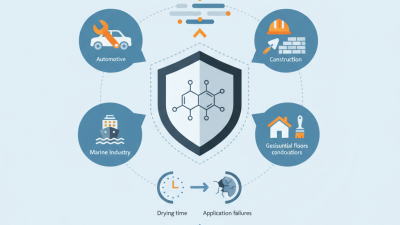
Epoxy coating is a two-component resin system that hardens through a chemical reaction. It bonds to prepared concrete, steel, and other industrial surfaces. In factories, a properly applied floor creates a dense surface that resists abrasion, oils, water, and repeated forklift traffic.
A 2023 report from Grand View Research estimated the global industrial flooring market at over USD 9 billion, reflecting continued demand for durable plant surfaces.
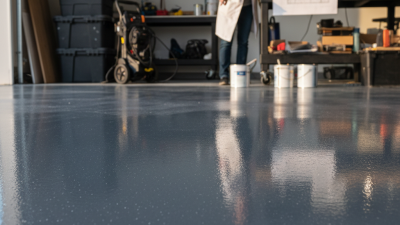
Concrete floors need mechanical grinding, moisture testing, and careful crack treatment before coating. Otherwise, trapped vapor can create blisters beneath a glossy finish. I have seen this failure begin near expansion joints and spreading areas. The coating looked strong, but preparation was weak. Slip resistance also matters around washdown zones, loading bays, and food-processing rooms.
On steel tanks, pipelines, and marine assets, epoxy systems form a barrier against water, salts, chemicals, and oxygen. Their value is significant because the NACE IMPACT study estimated global corrosion costs at USD 2.5 trillion annually, equal to about 3.4% of global GDP.
Surface cleanliness, dry-film thickness, edge coverage, and curing time determine real performance. ISO 12944 guidance supports structured corrosion protection for steel structures, but field conditions remain unpredictable. Salt contamination can hide in welds. Small defects become large maintenance problems. In marine service, abrasion from cargo handling and constant wetting can challenge even a carefully selected system.
Specification and Application: SSPC Preparation, ISO 12944, VOCs, and Cure Time
Epoxy coating is a two-component system containing resin and hardener. It creates a dense film against abrasion, water, and many chemicals. Its performance depends more on preparation and curing than on thickness alone. SSPC-SP 10/NACE No. 2 requires near-white blast cleaning, leaving only limited staining on steel. A clean, angular surface improves mechanical adhesion. Surface profile should match the coating specification, commonly around 50–75 micrometres. ISO 12944 classifies durability from low, up to seven years, to very high, above 25 years. These periods are planning ranges, not guarantees. Poor drainage can shorten them dramatically.
Tips: Confirm soluble salts, dust, humidity, and steel temperature before mixing. Use a calibrated profile gauge. Record batch ratios and wet-film readings. Small shortcuts become expensive repairs.
VOC control also needs practical attention. The US EPA’s architectural and industrial maintenance limits vary by coating category, with many solvent-based products restricted near 250–340 g/L. Always check the current local limit and the product safety data sheet. Higher-solids epoxy can reduce solvent release, but ventilation remains necessary. Cure time changes with temperature, humidity, film thickness, and substrate condition. A floor may feel dry after 12 hours, yet require several days before heavy traffic. ISO 12944 planning is useful, but it cannot replace site testing. In real projects, rushed recoating is a frequent failure point. The specification may be correct; the timing may not be.
What Is Epoxy Coating and What Is It Used For?
Specification and application overview covering SSPC surface preparation, ISO 12944 durability, VOC considerations, and cure time.
SSPC Preparation
Steel substrates for demanding epoxy systems are commonly prepared to SSPC-SP 10/NACE No. 2, also known as near-white blast cleaning. The surface should be dry, free from oil, salts, dust, and loose corrosion, with a suitable abrasive profile specified by the coating system.
ISO 12944
ISO 12944 helps classify corrosivity environments, durability expectations, protective paint systems, and preparation requirements. The epoxy specification should match the exposure category, expected service life, film thickness, and compatible topcoat.
VOCs and Cure Time
Waterborne and high-solids epoxies generally reduce solvent emissions compared with conventional solventborne products, while 100% solids systems can have very low VOC content. The chart shows representative minimum recoat times for a two-component epoxy; actual times depend on formulation, humidity, film thickness, ventilation, and substrate temperature.
Values shown are representative application-planning figures, not a product data sheet. Always follow the coating manufacturer's technical specification and the applicable project standard.